

Domaine Huet
Vouvray pétillant 2019
Reviews
Jancis Robinson 16.5/20
100% Chenin Blanc. About half the pressure of normal sparkling wine. No maceration. First fermentation with indigenous yeasts in stainless-steel tanks. Bottled in September 2020. No malolactic conversion. Second fermentation in bottle and aged for three years prior to release. Free SO2 20.6 mg/l, total SO2 99.6 mg/l, RS 1 g/l. Organic and vegan. A Loire classic. Let’s see what the new owners have done with it … Toasty nose. Really mouth-filling and just slightly frothy rather than gently sparkling but pretty good.
Reviews
The Wine Advocate 90/100
The 2019 Vouvray Pétillant Brut offers up a perfumed bouquet featuring notes of apples, pears, spring flowers and white fruits. Moderately weighted, round and gourmand, it's perfectly balanced with a delicate, pinpoint mousse. Matured for 36 months sur lattes, it was disgorged with Haut Lieu Moelleux 2018.
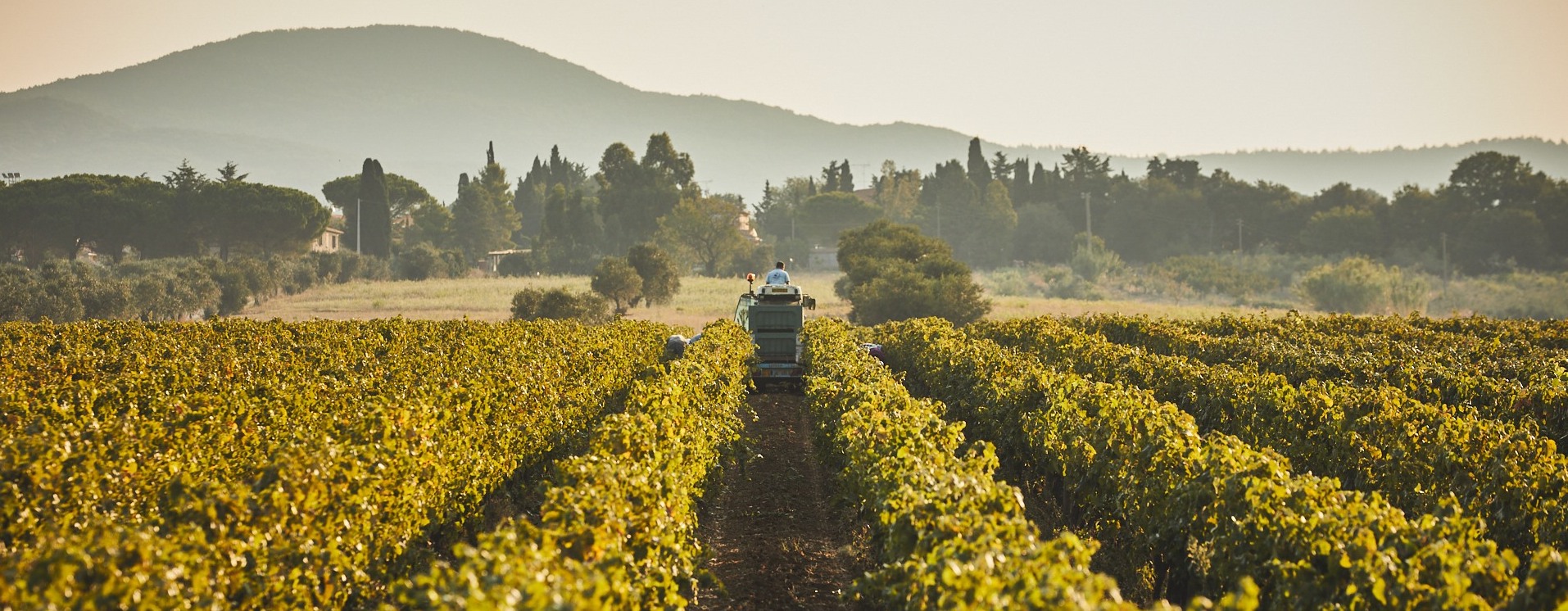
Visiting Vouvray without a stop at Domaine Huet—or at least a walk through its vineyards—is unthinkable. Established in 1928, the estate has long stood as one of the Loire’s benchmarks. After the death of Gaston Huet, who also served as Vouvray’s long-time mayor, the domaine was purchased in 2003 by Anthony Hwang. Until 2012, it was managed by Huet’s son-in-law, Noël Pinguet, who introduced biodynamics in the late 1980s and secured certification in 1993—making Huet a pioneer of the practice in the Loire Valley. Since 2012, Sarah Hwang, Anthony’s daughter, has led the estate alongside winemaker Benjamin Joliveau. Viticulture here remains anchored in biodynamics. Soils are meticulously tended, with close attention to achieving proper ripeness rather than chasing sugar or alcohol. “Alcohol level is inconsequential,” notes Sarah Hwang. “What we seek is true ripeness to express the terroirs.” That philosophy guides the domaine’s style: Chenin vinified without intrusive oak or artifice, with the character of the sites determining whether the result is sec, demi-sec, moelleux or sparkling. The portfolio revolves around three celebrated lieux-dits. Le Haut-Lieu, the domaine’s original holding, first acquired in 1928, has grown from 5.5 to nearly 15 hectares. Its deep clay soils on the plateau yield supple, approachable wines. Clos du Bourg, on clay over limestone, produces more incisive, structured expressions, with weight and freshness in equal measure. Le Mont, a nine-hectare parcel rich in flint, delivers the most introverted wines in youth—taut, sometimes austere, but capable of remarkable depth and longevity with age.